
Roof Re-Pointing is necessary when ridge cap mortar starts cracking, crumbling or separating from roof tiles. If you live in Grafton, warning signs include loose ridge caps, missing pointing, water stains and visible gaps along your roof’s ridgeline. Identifying these problems early can help prevent water damage and further deterioration.
Your roof protects your home from rain, wind and changing weather conditions. However, ageing materials and repeated exposure to the elements can gradually weaken its protective components.
Understanding when Re-Pointing is required helps you make informed decisions about roof maintenance before minor defects become larger problems.
What Is Roof Re-Pointing and Why Does It Matter?
Roof Re-Pointing involves applying a specialised pointing compound around the ridge and hip caps of a tiled roof. The pointing helps protect the bedding beneath and provides a weather-resistant finish around these important roof components.
Traditional roofs often used cement-based mortar for both bedding and pointing. Modern roof repairs commonly use flexible pointing compounds designed to accommodate small movements caused by temperature changes and building settlement.
In Grafton, roofs experience periods of heavy rainfall, hot temperatures and strong winds. These conditions can gradually affect exposed mortar and roofing materials.
Without suitable maintenance, deteriorating pointing may contribute to moisture entering vulnerable roof areas, particularly when other roofing components are damaged.
7 Serious Warning Signs Your Roof Needs Re-Pointing
Recognising the early signs of damage can help you arrange repairs before problems spread. Here are seven common indicators worth checking.
1. Visible Cracks Along Ridge Caps
Cracks around ridge caps are among the most recognisable signs of deteriorating roof pointing.
Small hairline cracks do not always indicate a serious problem. However, larger fractures, widening gaps or sections separating from the ridge tiles can signal that repairs are needed.
If cracking continues to develop, arrange a professional inspection to determine whether Re-Pointing will restore the affected areas.
2. Loose or Displaced Ridge Tiles
Ridge caps sit along the highest points and hips of your tiled roof. They depend on suitable bedding, pointing and the roof’s installation system to remain secure.
When these components deteriorate, ridge caps may become unstable or shift from their original positions.
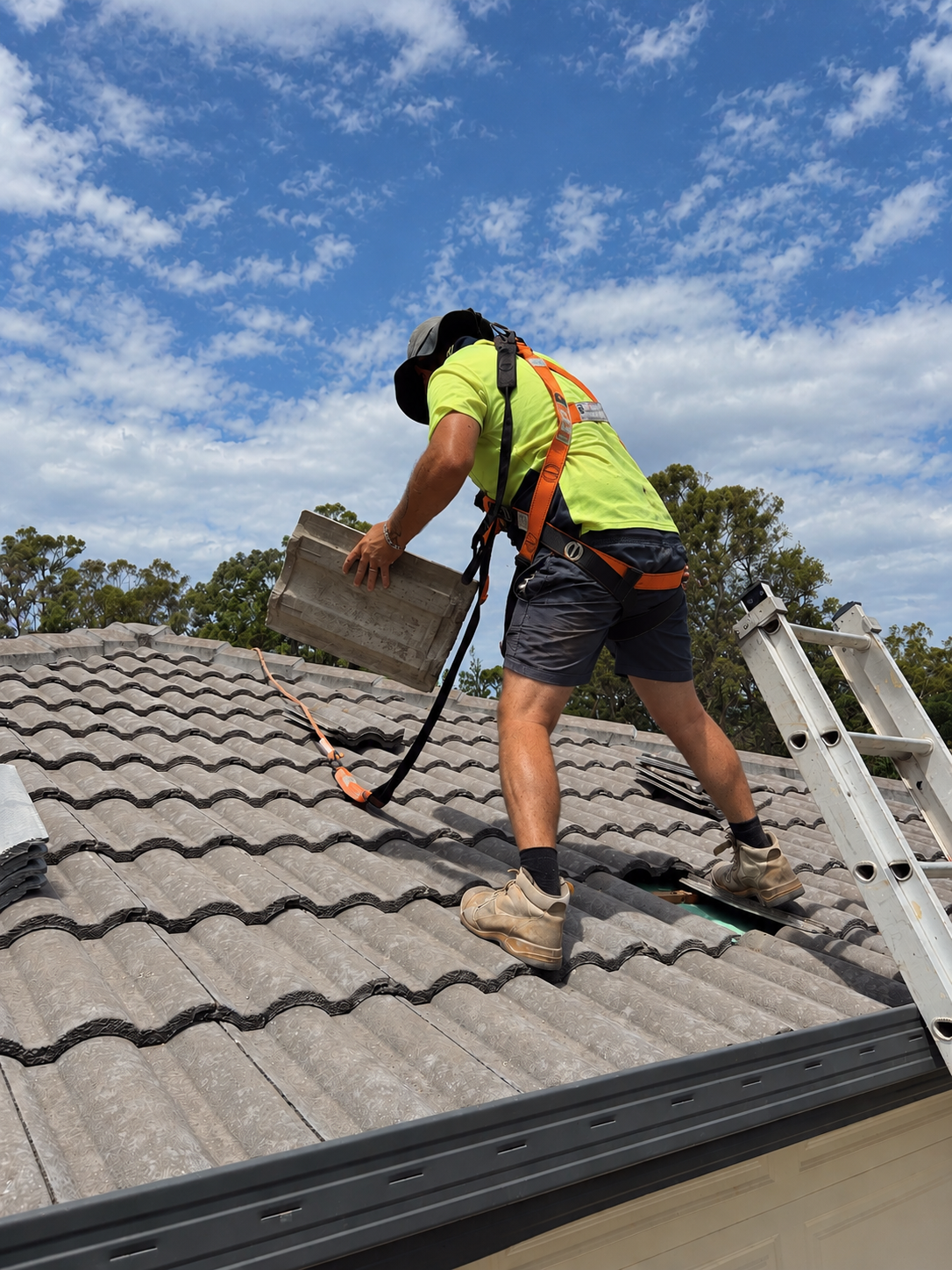
Loose tiles are particularly concerning during strong winds. Avoid attempting to reposition them yourself, as working at roof height carries serious risks.
3. Crumbling Mortar Around Roof Tiles
Older cement mortar can become brittle after years of exposure to moisture and temperature changes.
You might notice small fragments of mortar in gutters or around the base of your home.
These fragments may indicate that roof bedding or pointing is deteriorating. A roofer can identify whether the problem requires Re-Pointing, re-bedding or both.
4. Water Stains on Ceilings
Brown marks, damp patches or peeling ceiling paint can indicate moisture entering your roof cavity.
Damaged pointing is one possible cause, but leaks may also result from cracked tiles, failed flashing or blocked drainage channels.
Water stains should never be treated as proof that ridge pointing is responsible.
A proper roof inspection can identify the source of moisture before repairs begin.
5. Missing Sections of Pointing
Sections of pointing may gradually separate or wash away, leaving gaps around ridge caps.
These openings can expose the underlying bedding to further weather damage.
The NSW Guide to Standards and Tolerances identifies displaced or washed-out pointing as defective in relevant building-work assessments.
You can review the NSW Government’s roofing standards guidance for additional information.
6. Previous Repairs Are Deteriorating
Older roofing repairs may eventually require further attention, especially when unsuitable materials were used or underlying bedding problems remained unresolved.
Signs include uneven repairs, new gaps around previously treated ridge caps and sections of material separating from the tiles.
Professional Re-Pointing should address the condition of the existing materials rather than simply covering damaged sections.
7. Your Roof Has Not Been Inspected for Years
An ageing tiled roof does not automatically require new pointing. However, a long period without maintenance increases the chance that hidden defects will remain unnoticed.
Homes throughout Grafton may develop roofing problems gradually, particularly where ridge caps experience continued exposure to wind and rain.
Scheduling an inspection can establish whether Re-Pointing is necessary or whether your existing pointing remains serviceable.
What Causes Roof Pointing to Deteriorate?
Several factors contribute to the gradual deterioration of roof pointing.
Common causes include:
-
Temperature changes: Expansion and contraction can place stress on rigid mortar.
-
Heavy rainfall: Water can worsen existing cracks and weaken exposed bedding.
-
Strong winds: Wind pressure may affect ridge caps that are already loose.
-
Building movement: Minor structural movement can create separation between roofing materials.
-
Ageing materials: Older mortar may lose strength and adhesion over time.
-
Poor previous workmanship: Incorrect preparation or application can reduce repair durability.
Understanding these causes helps determine whether isolated repairs or more extensive roof maintenance may be appropriate.
Re-Pointing vs Re-Bedding: What’s the Difference?
Although these services are closely related, they perform different functions.
Re-bedding involves replacing or repairing the mortar bed that supports ridge and hip caps.
Re-Pointing involves applying the finishing compound over suitable bedding and along the ridge cap edges.
If the existing bedding remains sound, renewing damaged pointing may be sufficient.
However, loose ridge caps or badly deteriorated bedding generally need additional attention before new pointing is applied.
A qualified roofing professional should assess both components before recommending repairs.
How Can Grafton Homeowners Prevent Roof Damage?
Regular maintenance can help extend the serviceable life of your tiled roof.
Start by checking for visible defects from a safe position at ground level. Look for displaced ridge caps, broken tiles, damaged gutters and changes around the ridgeline.
After significant rainfall, inspect your ceilings for new stains or damp patches.
The NSW State Emergency Service recommends checking roofs for leaks and loose roofing materials while keeping gutters and downpipes clear.
Avoid climbing onto your roof to investigate suspected damage. Professional inspections are safer and can identify problems that are difficult to recognise from the ground.
Preventative maintenance does not eliminate every roofing issue, but it can reduce the likelihood of unnoticed deterioration.
When to Call a Professional
Arrange a roofing inspection if you notice loose ridge caps, missing mortar, recurring leaks or visible gaps around your roof tiles.
Harro’s Roofing can help Grafton homeowners assess roof pointing concerns and determine whether Re-Pointing or additional repairs are appropriate.
In NSW, roof tiling work includes bedding and pointing. The NSW Government’s roof tiling licensing information explains the licensing requirements that apply to this trade.
For a professional assessment of your roof’s condition, contact Harro’s Roofing to discuss your concerns and arrange an inspection.
Conclusion
Recognising damaged pointing early can help protect your Grafton home from avoidable roofing problems.
Cracked mortar, missing pointing, loose ridge caps and ceiling stains are all reasons to investigate your roof’s condition. However, not every warning sign means a complete roof repair is necessary.
Regular inspections and timely Re-Pointing can help maintain the protective finish around sound ridge cap bedding.
Contact Harro’s Roofing for an assessment and practical advice on keeping your tiled roof in suitable condition.
Frequently Asked Questions
How Do I Know If My Roof Needs Re-Pointing?
Look for cracked or missing pointing, crumbling mortar and gaps around ridge caps. A roofing professional can confirm whether the pointing needs replacement and whether the bedding remains secure.
How Long Does Roof Pointing Last?
Its lifespan depends on the materials used, installation quality, roof movement and weather exposure. Regular inspections help identify deterioration rather than relying on a fixed replacement schedule.
Can Damaged Roof Pointing Cause Leaks?
Yes. Deteriorated pointing may contribute to water entry, particularly when bedding or surrounding roofing materials are also damaged. However, flashing defects, cracked tiles and blocked gutters can cause similar symptoms.
Is Re-Pointing Necessary for Every Older Tiled Roof?
No. Some older roofs retain sound pointing and bedding. Repairs should depend on the actual condition of the roof rather than its age alone.

